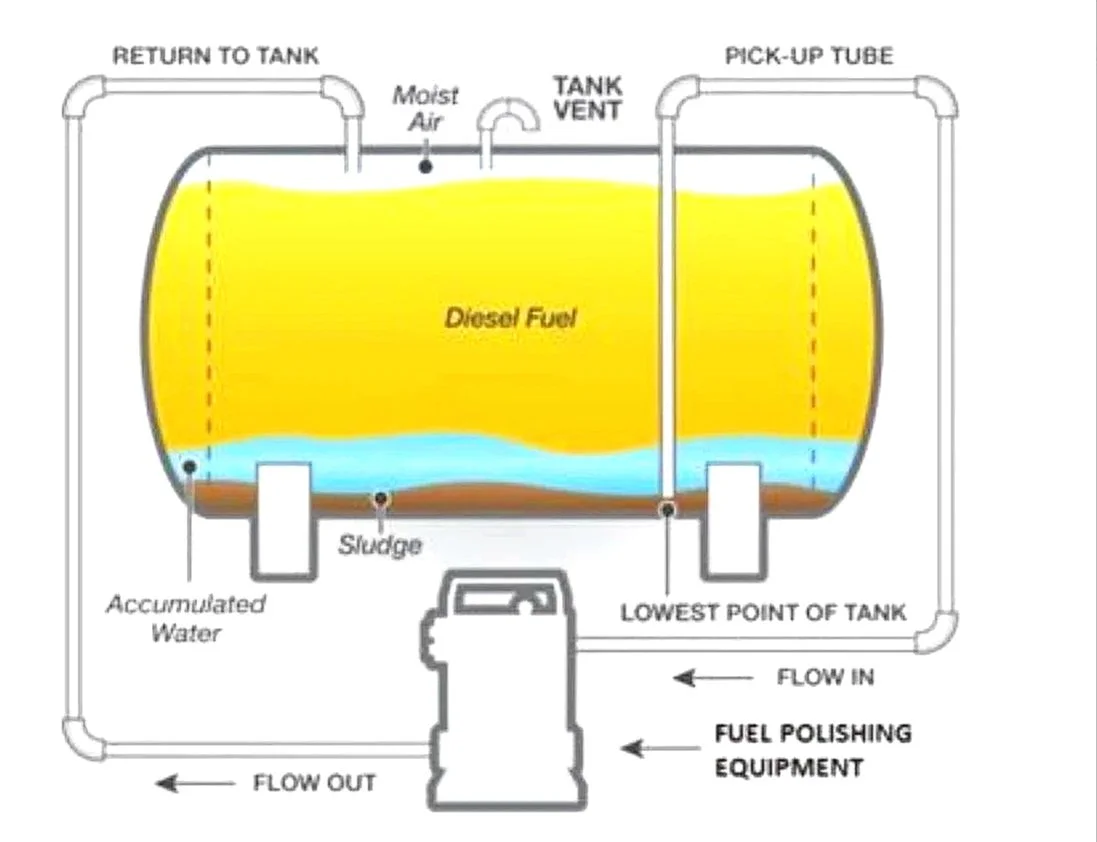
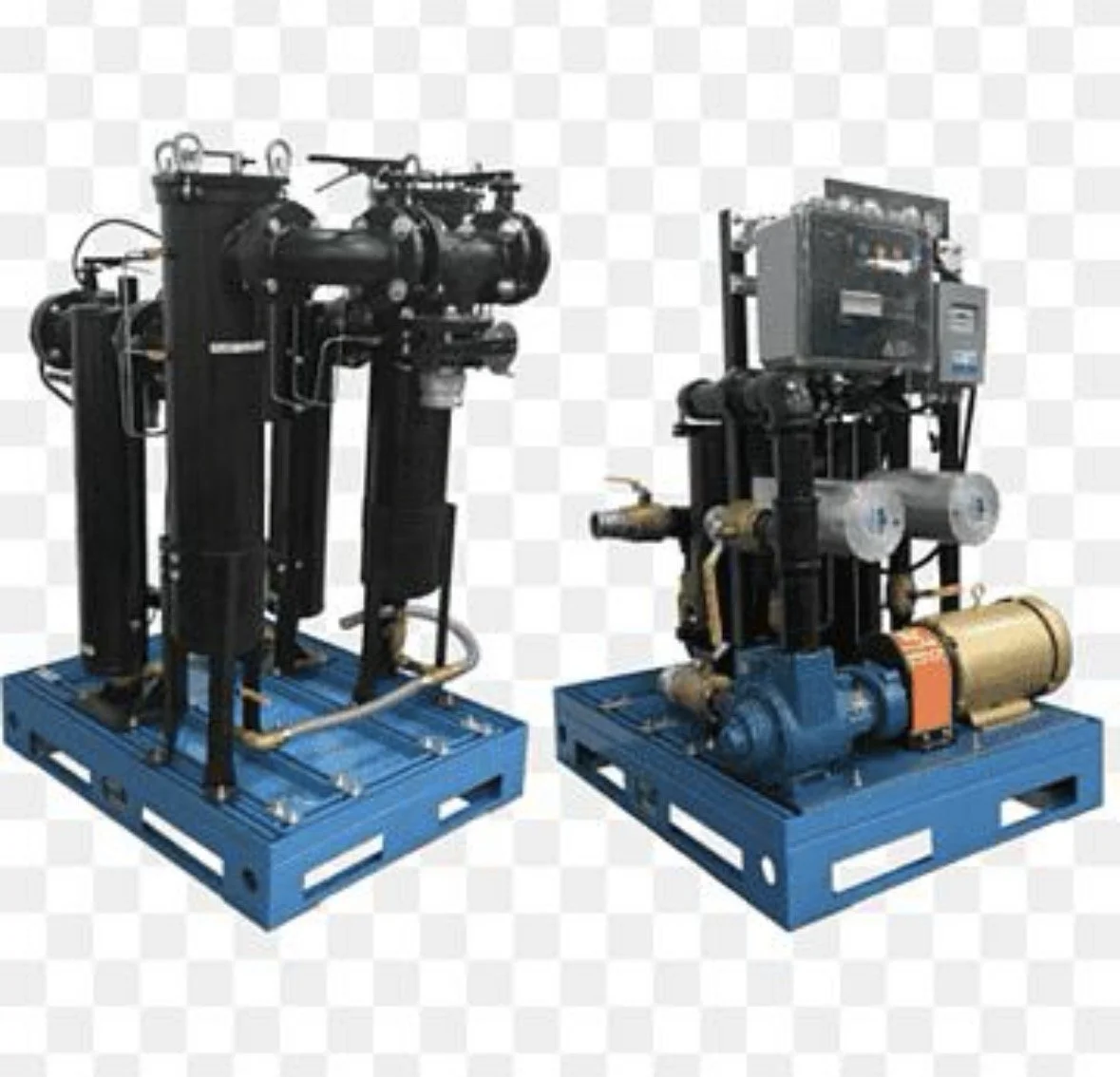
Fuel Polishing
Fuel Polishing FAQs
Does fuel polishing require a shutdown?
Not always. In many cases, fuel can be polished in situ with minimal disruption.
Can contaminated fuel be restored?
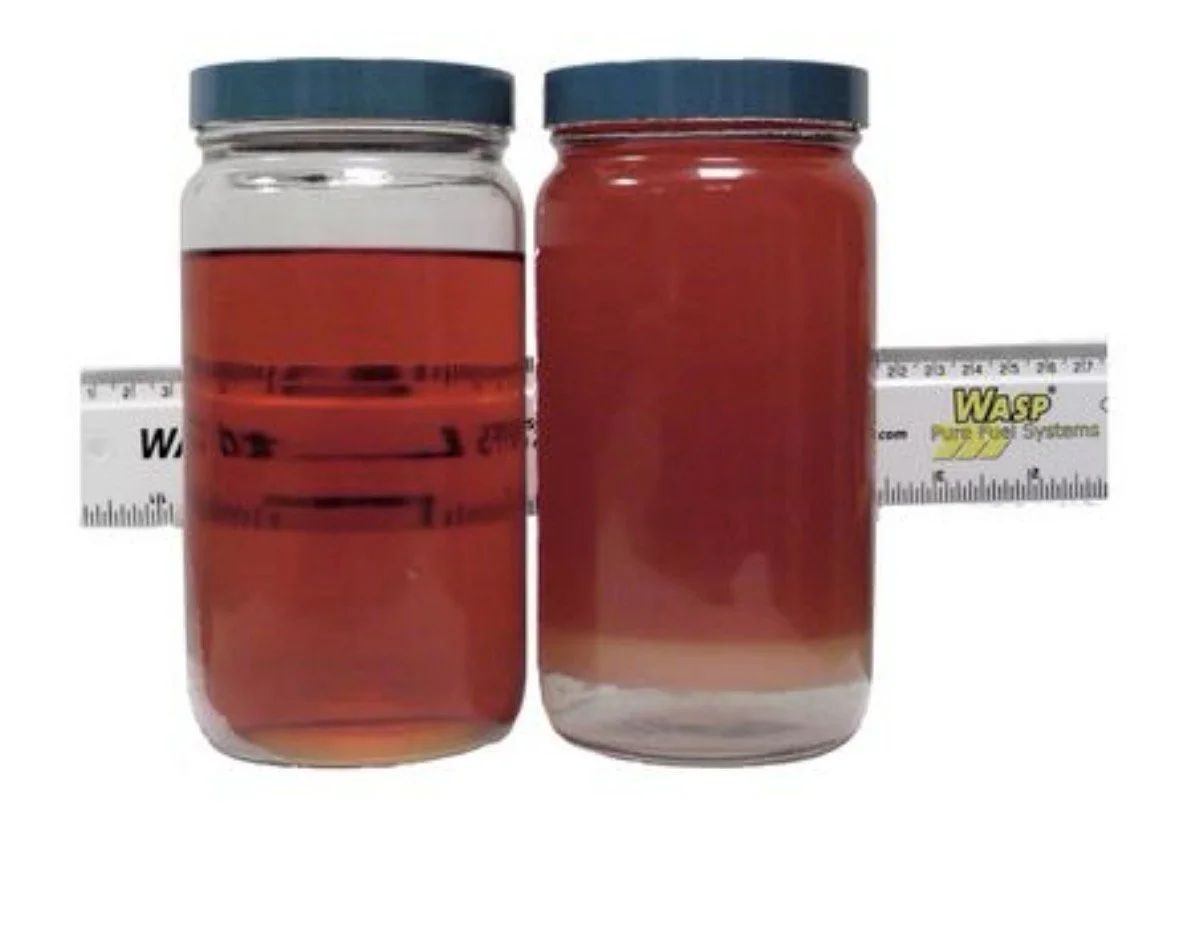
Often, yes. However, severely degraded fuel may need to be disposed of safely.
How often should fuel polishing be carried out?
Typically once or twice a year, depending on fuel usage and the level of risk.
Is fuel polishing necessary for biofuels or HVO?
Yes. These fuels can still absorb water and develop microbial contamination during storage.
Fuel Sampling and Testing: Why It Matters
Fuel sampling and testing provide a clear picture of fuel condition and the health of the storage system. Because contamination is not always visible, regular testing is essential for identifying problems early.
Key benefits include:
· Early detection of fuel stability issues
· Longer storage-system lifespan
· Reduced risk of corrosion and blockages
· Better support for planned maintenance
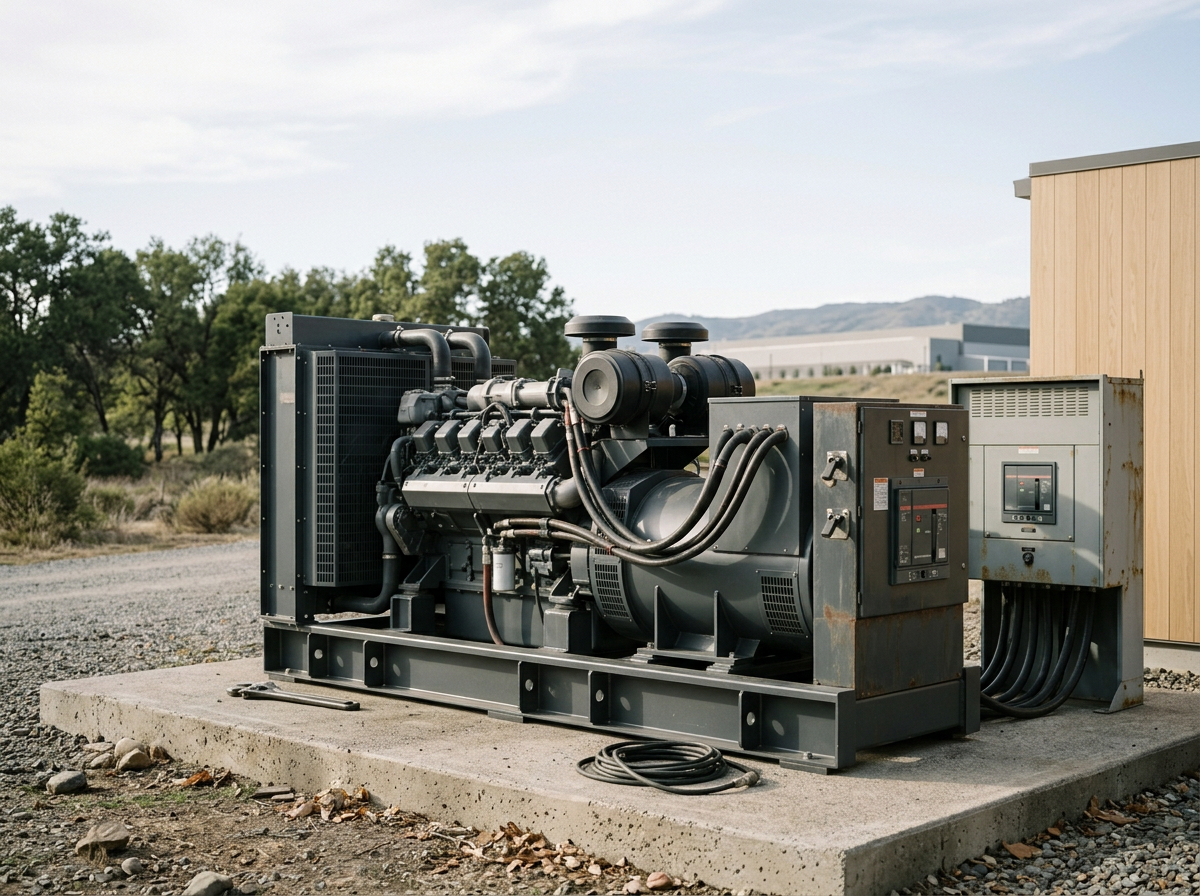
· Greater protection for critical systems
· Clear evidence of compliance
Why Choose Professional Fuel Testing?
Professional testing provides:
· Testing against recognised standards, including relevant ISO and BS benchmarks
· Accurate detection of water, particulates, microbial growth and fuel degradation
· Reliable, audit-ready reporting
Contact Us
Ready to protect your assets and optimise performance? Contact us to discuss a fuel tank maintenance, testing and polishing package tailored to your needs.